Wrist Pain From Adult Gymnastics? Here's What's Causing It and How to Prevent It
Quick Answer: Wrist pain in adult gymnastics beginners usually comes from limited wrist extension mobility combined with the sport’s frequent weight-bearing-on-hands positions (handstands, cartwheels, floor work) that adult joints, stiffer than a child’s from years of different use patterns, aren’t yet conditioned for. Mobility drills and gradual load progression prevent most of it.
Kids’ gymnastics programs build wrist conditioning gradually from a young age; adults starting fresh ask their wrists to bear significant weight in extended positions almost immediately, which is exactly why beginner wrist pain is so common.
Why do adult beginners get wrist pain more than young gymnasts?
Adult wrists typically have less baseline extension mobility than a child’s, partly from years of different daily use patterns (typing, driving) that don’t require the extreme wrist extension gymnastics demands. Gymnastics positions like handstands and front supports require the wrist to extend to roughly 90 degrees while bearing significant body weight — a range and load combination most adult wrists haven’t been conditioned for before starting the sport.
What specific movements tend to trigger the pain?
Handstands and handstand holds place the most sustained weight-bearing extension load on the wrist. Cartwheels and round-offs add a dynamic, higher-impact loading component. Floor tumbling drills that involve repeated hand-plants can aggravate an already-stressed wrist faster than static holds alone.
Pain that shows up specifically during or right after these movements, rather than at rest, points toward load and mobility as the cause rather than an unrelated injury.

What mobility work actually helps prevent it?
Wrist extension stretches (kneeling with palms flat and fingers pointing toward knees, gently sitting back) build the range needed for handstand positions gradually. Wrist circles and controlled flexion-extension movements as a warm-up before any hand-weight-bearing drill increase blood flow and joint readiness.
Building this into every warm-up, not just doing it occasionally, is what actually prevents the cumulative strain that leads to persistent pain.
How should load be introduced to avoid overloading the wrists?
Start with shorter-duration, wall-supported holds rather than full free handstands, which reduces the total time and load on the wrist while the joint adapts. Incline positions (hands elevated on a low block) can reduce the extension angle required during early conditioning phases.
Progressing gradually over several weeks, rather than attempting full-duration unsupported holds in the first few sessions, is the single biggest factor separating beginners who develop wrist pain from those who don’t.
FAQ: Adult Gymnastics Wrist Pain, Answered
Is some wrist soreness normal when starting, or is any pain a red flag?
Mild, short-lived soreness after new positions is common; sharp pain, persistent swelling, or pain that continues to worsen session over session are signs to scale back and consider seeing a professional.
Do wrist wraps or supports actually help?
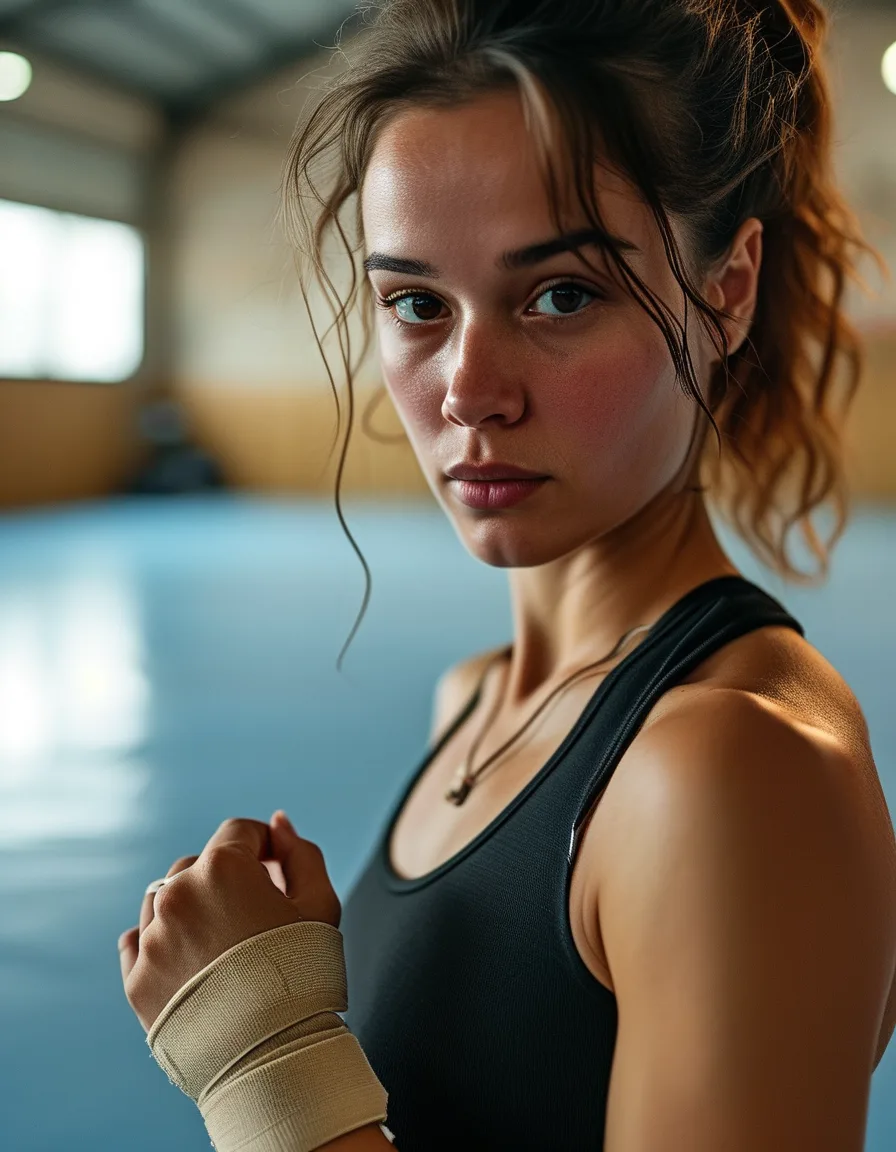
They can provide some support and proprioceptive feedback during the conditioning phase, but they’re a supplement to proper mobility and load progression, not a substitute for it.
How long does it typically take to build adequate wrist conditioning?
Many adult programs see meaningful wrist mobility and tolerance improvement over 6-8 weeks of consistent, gradual conditioning work built into regular practice.
TL;DR:
- Adult wrist pain in gymnastics usually comes from limited extension mobility meeting sudden weight-bearing demand
- Handstands, cartwheels, and floor tumbling are the most common triggers
- Wrist extension stretches and controlled circles before every session build needed range
- Progress load gradually — wall-supported and incline positions first, full holds later
Build wrist mobility work into every warm-up from week one — it’s far easier to prevent this pain than to train around it once it starts. This is general information, not medical advice.
Keep Reading
This article is for general informational and styling purposes only. Fit, sizing, and product availability may vary.