Why Going Upside Down Feels So Much Scarier as an Adult Than It Did as a Kid
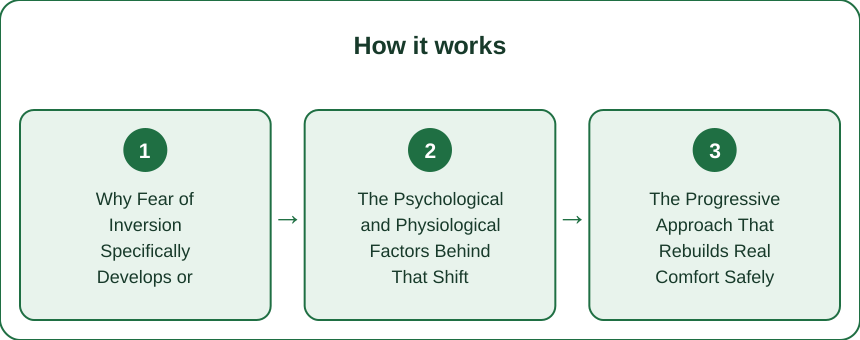
A cartwheel or handstand that felt completely unremarkable to do as an eight-year-old can trigger a genuine, sometimes surprising wave of fear when attempted for the first time as an adult, which isn’t really about a loss of physical capability so much as a shift in how the adult brain specifically evaluates the risk of being upside down. Here is why fear of inversion specifically develops or intensifies with age, the psychological and physiological factors behind that shift, and the progressive approach that rebuilds real comfort safely.
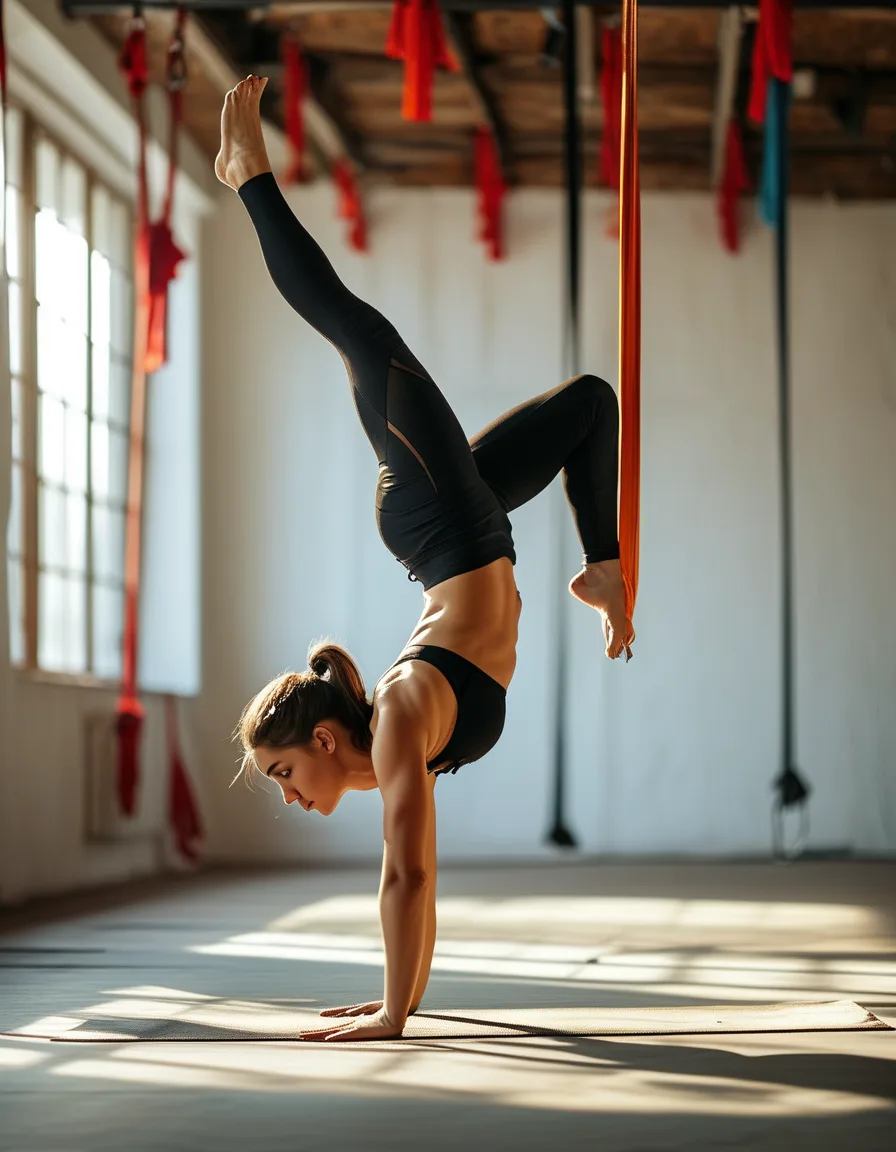
Why Fear of Inversion Specifically Develops or Intensifies With Age
The underlying shift: the the-adult-brains-generally-developed-risk-assessment-capacity-more-accurately-and-vividly-anticipates-specific-injury-consequences-that-a-childs-less-developed-risk-assessment-simply-doesnt-fully-process-in-the-same-way (the more mature and developed adult capacity for anticipating specific negative consequences creating a vivid mental preview of injury risk that a child’s less developed risk-assessment system doesn’t generate to the same degree — the the-generally-more-mature-and-fully-developed-adult-capacity-for-anticipating-specific-negative-consequences-in-detail-creates-a-genuinely-vivid-mental-preview-of-real-injury-risk-during-an-inversion-attempt-that-a-childs-considerably-less-developed-risk-assessment-system-simply-doesnt-generate-to-anywhere-near-the-same-degree), the the-accumulated-life-experience-including-witnessing-or-personally-experiencing-injuries-over-the-years-provides-the-adult-brain-with-specific-concrete-negative-reference-points-that-a-child-generally-hasn’t-yet-accumulated (the a longer lived history providing real specific injury-related reference points that inform and often amplify present risk perception, an accumulation a child hasn’t had time to build — the a-genuinely-longer-lived-life-experience-that-includes-witnessing-or-personally-experiencing-various-injuries-over-many-years-provides-the-adult-brain-with-specific-and-concrete-negative-reference-points-that-directly-inform-and-often-meaningfully-amplify-present-moment-risk-perception-in-a-way-a-child-simply-hasnt-had-enough-time-yet-to-accumulate), the the-adults-also-generally-have-a-more-conscious-and-explicit-awareness-of-the-vestibular-disorientation-that-comes-with-inversion-which-a-child-experiences-but-generally-doesnt-cognitively-frame-as-alarming-in-the-same-way (the same physical vestibular disorientation being experienced by both children and adults, but processed and consciously framed very differently by the more analytical adult mind — the exact-same-underlying-physical-vestibular-disorientation-sensation-that-comes-with-inversion-is-experienced-by-both-children-and-adults-alike-but-gets-processed-and-consciously-framed-very-differently-by-the-considerably-more-analytical-and-self-aware-adult-mind-compared-to-a-childs-more-simply-accepting-and-less-analytical-experience-of-the-exact-same-sensation), and the reframe (the intensified adult fear as reflecting a real, developmentally explainable shift in risk cognition and accumulated experience — not a sign of diminished physical capability or unusual personal fearfulness, but a predictable pattern shared broadly across adults returning to inversion-based movement)).
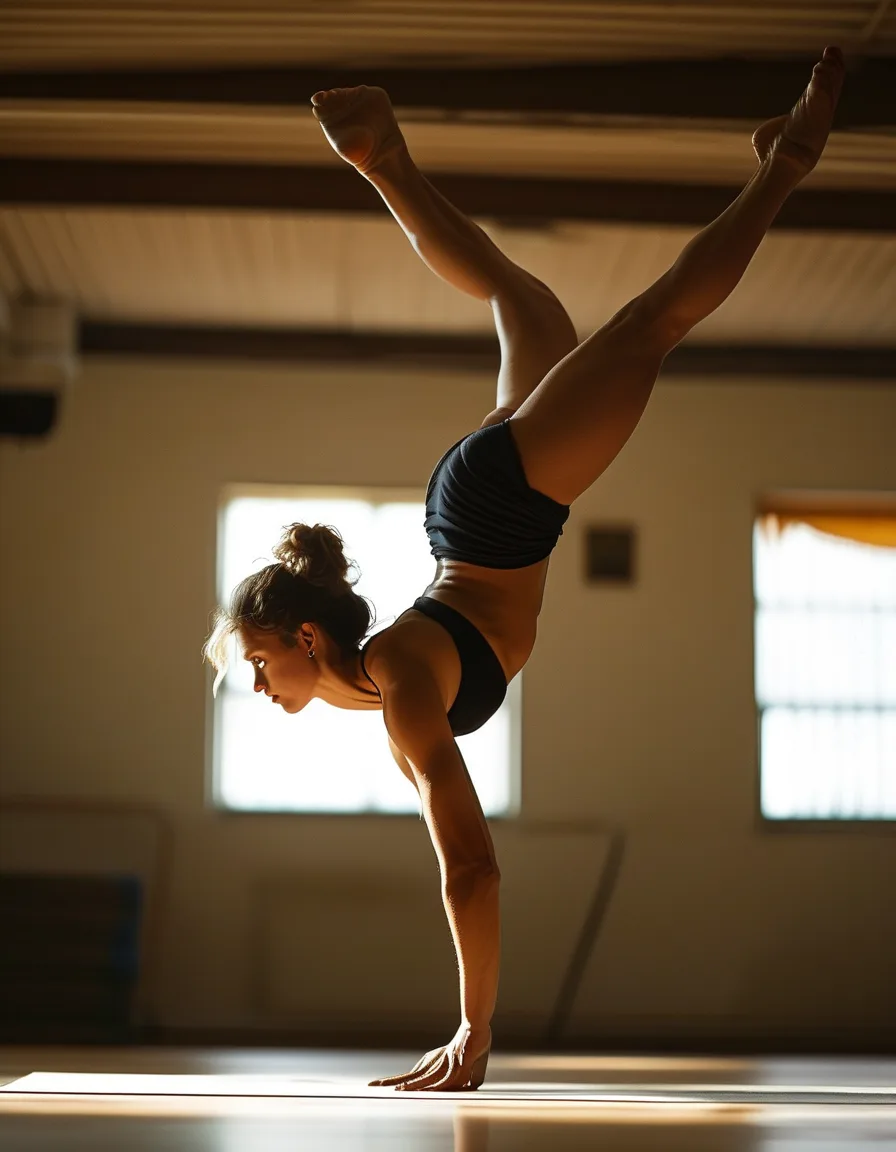
The Psychological and Physiological Factors Behind That Shift
Digging deeper into the mechanism: the the-a-longer-time-away-from-regular-inversion-practice-specifically-means-the-vestibular-system-has-had-less-recent-practice-processing-that-particular-kind-of-disorientation-making-the-sensation-feel-more-unfamiliar-and-therefore-more-alarming-when-reencountered (the reduced recent practice with the specific vestibular experience of inversion making it feel unfamiliar and therefore more threatening when it does occur, distinct from a permanent loss of capacity — the a-genuinely-longer-period-of-time-spent-away-from-regular-inversion-practice-specifically-means-the-vestibular-system-has-had-considerably-less-recent-practice-actively-processing-that-particular-specific-kind-of-physical-disorientation-which-makes-the-resulting-sensation-feel-noticeably-more-unfamiliar-and-therefore-considerably-more-alarming-when-it-does-eventually-get-reencountered-again), the the-adults-often-also-carry-specific-responsibility-related-anxieties-such-as-concern-about-time-off-work-or-caregiving-duties-if-injured-that-simply-dont-apply-to-most-children-attempting-the-same-movement (the adult-specific life responsibilities adding a real practical anxiety layer around injury consequences that a child generally doesn’t carry from the adult-gymnastics-benefits-guide logic — the adult-specific-and-very-real-life-responsibilities-such-as-genuine-concern-about-potential-time-off-work-or-ongoing-caregiving-duties-if-actually-injured-add-a-real-and-substantial-additional-practical-anxiety-layer-around-inversion-related-injury-consequences-that-a-child-attempting-the-exact-same-movement-generally-doesnt-carry-at-all), and the frame (the deeper factors as reduced recent vestibular-system practice making the disorientation feel more unfamiliar and alarming, plus adult-specific practical responsibility concerns around injury consequences — both compounding the more general risk-cognition shift already discussed).
The Progressive Approach That Rebuilds Real Comfort Safely
The actual rebuilding process: the start-with-fully-supported-inversion-such-as-a-wall-supported-handstand-or-a-spotted-attempt-before-any-unsupported-version-to-rebuild-vestibular-familiarity-gradually-rather-than-all-at-once (the beginning with fully supported variations specifically to rebuild vestibular familiarity gradually before attempting any unsupported version, from the adult-gymnastics-start-guide logic — the deliberately-beginning-with-fully-supported-inversion-variations-such-as-a-wall-supported-handstand-or-a-directly-spotted-attempt-specifically-and-intentionally-to-rebuild-vestibular-familiarity-gradually-and-safely-well-before-ever-attempting-any-fully-unsupported-version-of-the-same-inversion-movement), the the-practice-brief-partial-inversions-repeatedly-before-progressing-to-full-inversion-duration-since-repeated-brief-exposure-builds-comfort-faster-and-more-safely-than-a-single-longer-attempt (the repeated brief exposure to partial inversion building comfort more effectively and safely than jumping straight to a longer full attempt, a general principle from anxiety and exposure-based learning applied here — the deliberately-practicing-repeated-brief-and-partial-inversion-exposures-before-ever-progressing-toward-full-inversion-duration-since-repeated-brief-exposure-genuinely-builds-real-comfort-considerably-faster-and-more-safely-than-attempting-one-single-longer-full-inversion-right-away), the the-work-with-a-qualified-coach-specifically-for-inversion-progressions-given-the-genuinely-higher-injury-stakes-involved-compared-to-most-other-adult-gymnastics-skill-categories (the seeking specific qualified coaching for this particular skill category given its genuinely elevated injury risk compared to other gymnastics skills, rather than self-teaching from general guidance alone — the specifically-seeking-out-qualified-professional-coaching-for-inversion-progressions-in-particular-given-the-genuinely-and-meaningfully-higher-injury-stakes-involved-in-this-specific-skill-category-compared-to-most-other-general-adult-gymnastics-skill-categories-rather-than-attempting-to-self-teach-from-general-guidance-alone), and the frame (the rebuilding process as starting with fully supported variations to rebuild vestibular familiarity gradually, practicing repeated brief partial exposures before progressing to full duration, and working specifically with qualified coaching given the elevated real stakes of this particular skill category — a genuine, gradual progression rather than either avoiding inversion entirely or forcing through the fear all at once).
Inversion fear intensifies specifically with age because the more mature adult brain more vividly anticipates specific injury consequences than a child’s less developed risk-assessment system does, accumulated life experience provides real concrete injury-related reference points a child hasn’t had time to build, and adults consciously process the same vestibular disorientation very differently than a child’s more simply accepting experience of it — compounded by reduced recent practice with that specific disorientation sensation and adult-specific practical anxieties about injury consequences like time off work. This is a real, developmentally explainable and broadly shared pattern rather than a sign of diminished capability or unusual personal fearfulness. Rebuild real comfort by starting with fully supported inversion variations like a wall-supported handstand to rebuild vestibular familiarity gradually, practicing repeated brief partial exposures before progressing to full inversion duration, and working specifically with qualified coaching given the genuinely elevated injury stakes of this particular skill category compared to most other adult gymnastics work.
Keep Reading
This article is for general informational and styling purposes only. Fit, sizing, and product availability may vary.