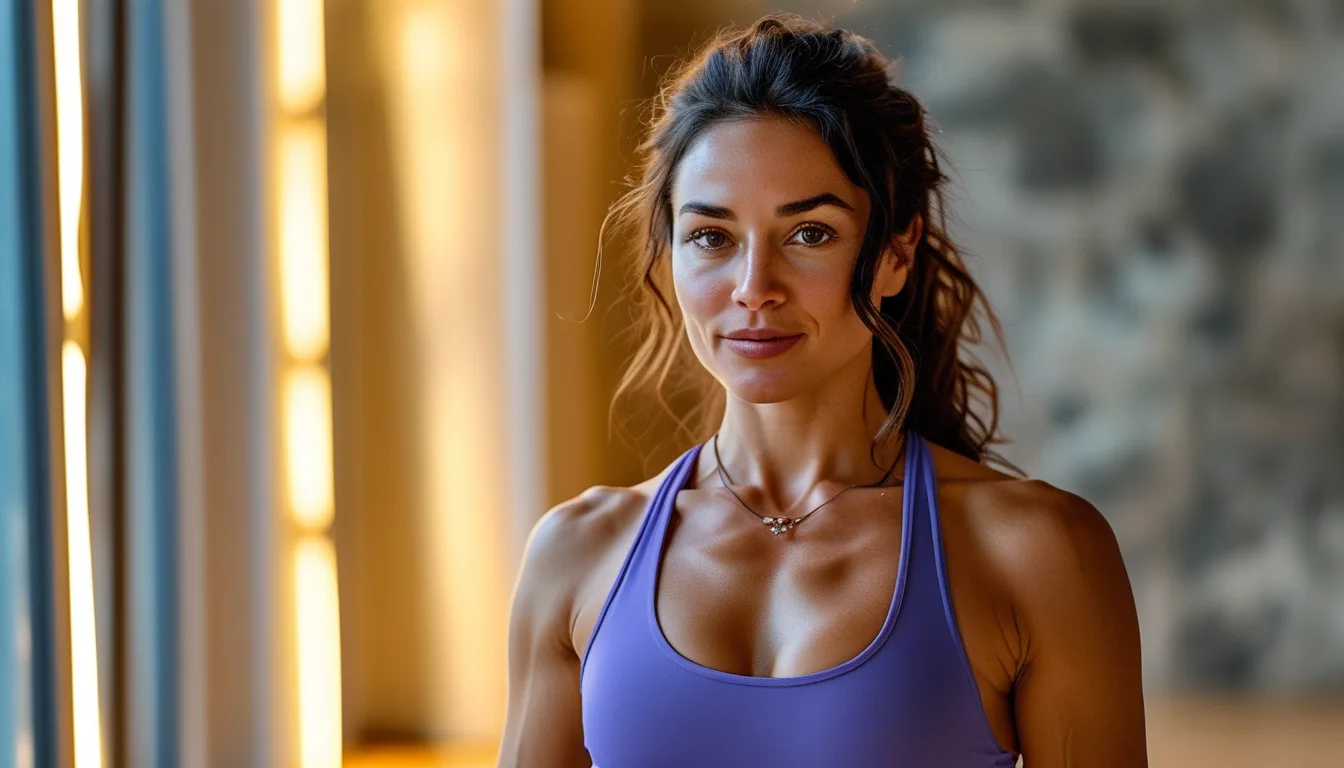
Why Going Upside Down Feels So Much Scarier as an Adult Than It Would Have as a Kid
Going upside down in gymnastics — a handstand, a cartwheel, anything involving inversion — tends to trigger genuine fear in adult beginners in a way it rarely does for young children learning the same skills, and that difference has real, identifiable reasons behind it rather than being a simple matter of adults being generally more cautious.
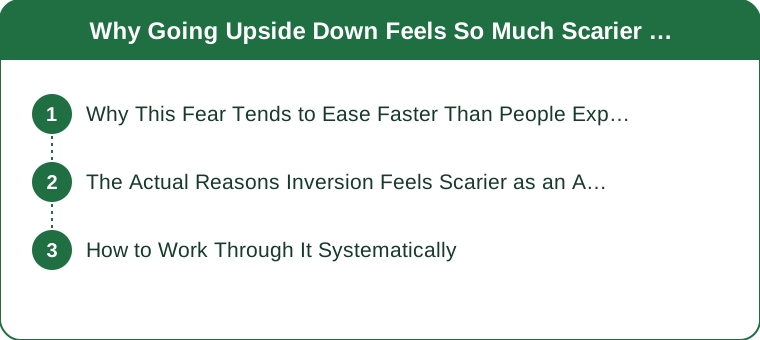
Why This Fear Tends to Ease Faster Than People Expect Once Addressed Directly
The encouraging pattern: the repeated-successful-supported-exposure-tends-to-recalibrate-the-fear-response-faster-than-most-adults-initially-assume (the repeated, successful low-stakes exposure to the disorienting sensation generally recalibrating the fear response noticeably faster than most adult beginners initially expect going in, per the adult-gymnastics-start-guide logic — the repeated-successful-low-stakes-exposure-generally-recalibrating-the-fear-response-noticeably-faster-than-most-adult-beginners-initially-expect), and the frame (the encouraging pattern as fear response recalibrating faster than expected once genuine, repeated, successful exposure begins — worth knowing upfront so early discomfort doesn’t get mistaken for a permanent barrier).

The Actual Reasons Inversion Feels Scarier as an Adult
What’s genuinely different: the adults-have-had-more-time-to-accumulate-a-specific-fear-of-falling-through-life-experience-that-children-havent-yet-built (the years of accumulated life experience, including any past falls or injuries, giving adults a more developed and specific fear response to the disorientation and fall risk inversion presents, something young children generally haven’t had time to build yet, per the adult-gymnastics-fear-and-going-upside-down-guide logic — the accumulated-life-experience-including-any-past-falls-giving-adults-a-more-developed-specific-fear-response-that-young-children-generally-havent-had-time-to-build), the the-adult-vestibular-and-spatial-orientation-systems-are-more-set-in-a-fixed-pattern-making-disorientation-feel-more-jarring (the adult vestibular system and sense of spatial orientation being more fixed and established after years of upright, oriented movement, making the disorientation of inversion feel like a more jarring departure from a deeply entrenched norm than it does for a young child whose orientation sense is still actively developing — the the-adult-vestibular-systems-more-fixed-and-established-orientation-pattern-making-inversions-disorientation-feel-like-a-more-jarring-departure-than-it-does-for-a-still-developing-childs-system), the the-adults-have-more-conscious-awareness-of-consequences-and-more-to-lose-from-an-injury-which-amplifies-caution (the greater conscious awareness of real-world consequences from an injury — work obligations, family responsibilities — genuinely amplifying caution around any perceived fall risk in a way a child typically doesn’t weigh consciously, per the adult-gymnastics-benefits-guide logic — the greater-conscious-awareness-of-real-world-injury-consequences-genuinely-amplifying-caution-around-perceived-fall-risk-in-a-way-a-child-typically-doesnt-consciously-weigh), and the reframe (the heightened adult fear response as a real, multi-factor combination of accumulated fear experience, a more fixed and established spatial orientation system, and greater conscious awareness of real consequences — not a sign of being unusually fearful or unsuited to the activity).
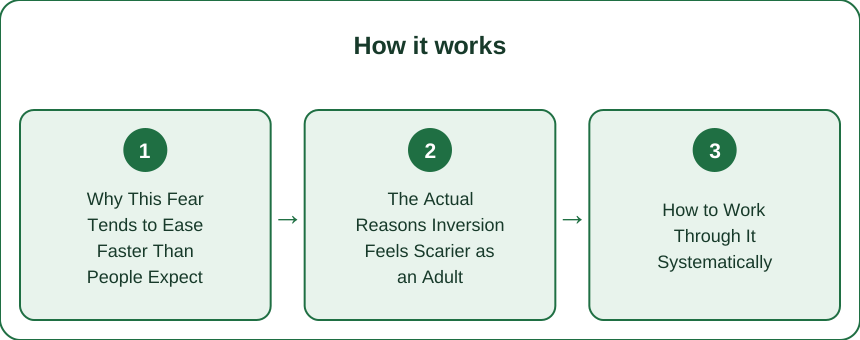
How to Work Through It Systematically
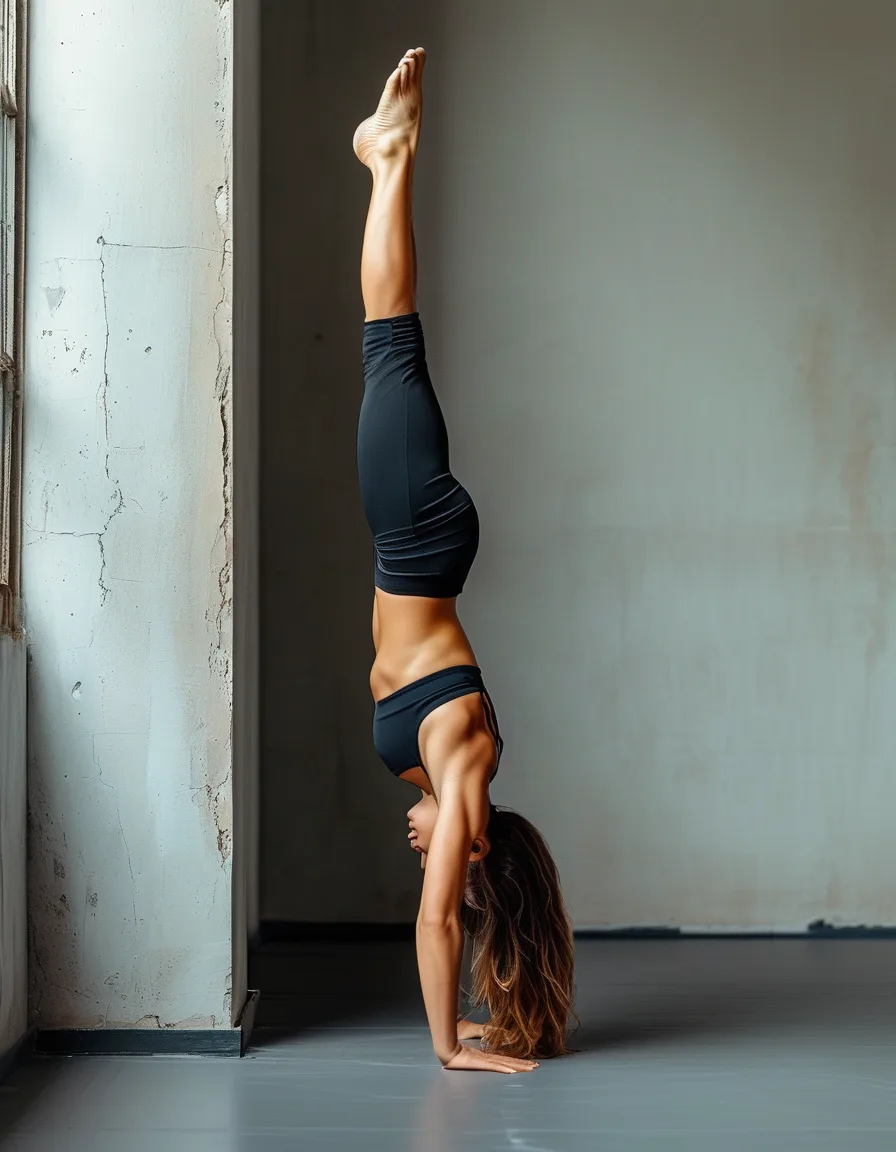
The practical progression: the build-inversion-tolerance-through-heavily-supported-versions-first-rather-than-attempting-the-full-skill-directly (the starting with heavily spotted or wall-supported inversion versions rather than attempting a full unsupported skill directly, systematically building tolerance to the disorientation itself before adding the balance and control demands, per the adult-gymnastics-first-skills-guide logic — the starting-with-heavily-supported-versions-systematically-builds-tolerance-to-the-disorientation-itself-before-adding-the-additional-balance-and-control-demands-of-the-full-unsupported-skill), the the-practice-brief-repeated-exposure-rather-than-attempting-to-hold-an-inverted-position-for-an-extended-duration-too-soon (the using brief, repeated exposure to the inverted or disorienting sensation rather than immediately attempting to hold a full position for an extended duration, letting tolerance build gradually through repetition rather than through a single prolonged attempt, per the gymnastics-conditioning-home-guide logic — the using-brief-repeated-exposure-rather-than-attempting-an-extended-duration-hold-too-soon-lets-tolerance-build-gradually-through-repetition-rather-than-a-single-prolonged-attempt), the the-name-the-specific-fear-directly-to-a-coach-so-the-progression-can-be-adjusted-accordingly (the being explicit with a coach about the specific fear involved, allowing the progression pacing to be adjusted specifically around it rather than following a generic pace that doesn’t account for the adult-specific fear factors discussed here — the being-explicit-with-a-coach-about-the-specific-fear-allows-the-progression-pacing-to-be-adjusted-specifically-around-it-rather-than-following-a-generic-pace), and the frame (the systematic approach as starting with heavily supported versions, using brief repeated exposure rather than extended holds too soon, and naming the specific fear directly to a coach — a genuinely different, more gradual progression than what typically works for a fearless child learner, matched to what actually makes it harder for an adult specifically).
Adult beginners find inversion skills like handstands and cartwheels genuinely scarier than children typically do because years of accumulated life experience, including any past falls, give adults a more developed and specific fear response that young children haven’t yet had time to build, the adult vestibular and spatial orientation system is more fixed after years of upright movement, making disorientation feel like a more jarring departure from an entrenched norm, and greater conscious awareness of real-world consequences from an injury genuinely amplifies caution in a way a child typically doesn’t weigh. Working through it systematically means starting with heavily supported or wall-assisted inversion versions rather than attempting a full unsupported skill directly, using brief repeated exposure to the disorienting sensation rather than immediately attempting an extended hold, and being explicit with a coach about the specific fear involved so the progression pace can be adjusted accordingly rather than following a generic pace built for a fearless child learner.
Keep Reading
This article is for general informational and styling purposes only. Fit, sizing, and product availability may vary.