Going Upside Down as an Adult (Fear Is the Actual Barrier)
Adults learning gymnastics almost never fail on strength — they fail on the moment their feet leave the ground and their body decides it does not want to be upside down. That fear is trainable, but only if it is treated as the actual obstacle. Here is why inversions frighten adults, how fear is trained down, and how to progress.
Why Inversions Frighten Adults
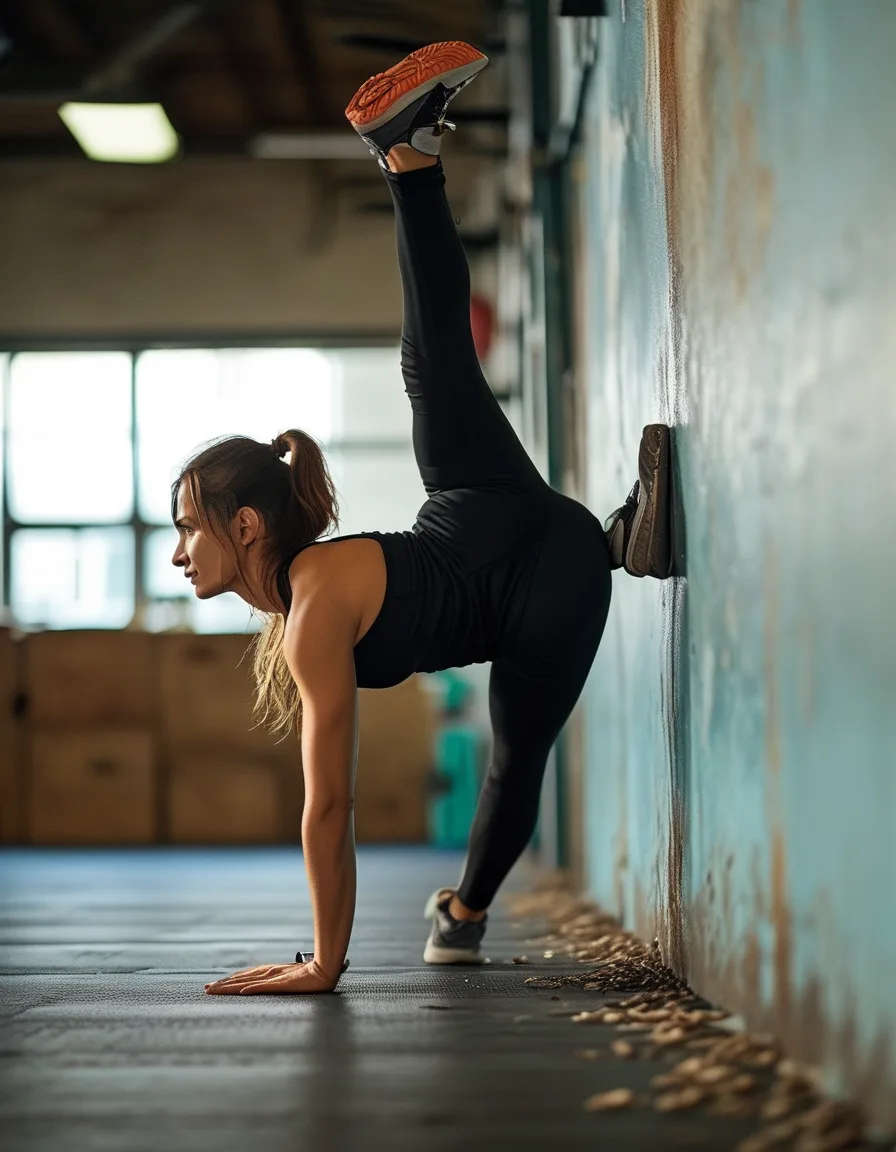
A rational response: the the-adults-have-more-to-lose (the adults having a clearer sense of injury consequences from the start-guide logic — the more-to-lose), the the-we-stop-going-upside-down-in-childhood (the the movement being genuinely unfamiliar for decades from the benefits logic — the unfamiliar-for-decades), the the-the-vestibular-system-is-untrained (the balance and orientation systems being unpractised inverted from the first-skills logic — the untrained-vestibular), the the-the-fear-is-rational-not-irrational (the the fear being a sensible response to real risk from the start-guide logic — the rational-fear), the the-it-is-the-actual-limiting-factor (the fear rather than strength limiting progress from the strength-and-progression logic — the fear-is-the-limit), and the reframe (the adult inversion barrier as fear rather than strength — a rational response to something the body has not done in decades).

How Fear Is Trained Down
Reducing it systematically: the the-exposure-in-small-steps (the graded exposure reducing fear predictably from the first-skills logic — the graded-exposure), the the-remove-the-consequence-first (the mats, walls and spotters removing the real risk from the start-guide logic — the remove-consequence), the the-learn-the-exit-before-the-entry (the knowing how to come out safely before going in from the first-skills logic — the exit-before-entry), the the-a-wall-changes-everything (the wall support making inversions immediately accessible from the first-skills logic — the a-wall-helps), the the-a-spotter-you-trust (the a trusted spotter accelerating progress substantially from the start-guide logic — the trusted-spotter), the the-repetition-builds-familiarity (the repeated safe exposure normalising the sensation from the first-skills logic — the repetition-normalises), the the-do-not-push-through-panic (the pushing through genuine panic being counterproductive from the start-guide logic — the do-not-push-panic), and the the-progress-when-the-current-step-is-boring (the moving on only once a step feels dull from the strength-and-progression logic — the progress-when-boring).
The Progression Notes
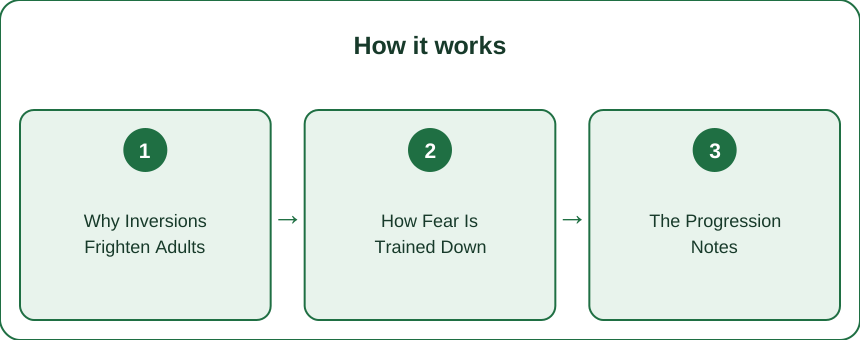
Building toward it: the the-build-the-supporting-strength (the shoulder and core strength underpinning inversions from the conditioning-home logic — the supporting-strength), the the-wrist-preparation-is-essential (the wrist conditioning being commonly skipped and commonly injured from the conditioning-home logic — the wrist-preparation), the the-shoulder-mobility-comes-first (the overhead shoulder mobility being prerequisite from the flexibility logic — the shoulder-mobility), the the-a-coached-environment-is-worth-it (the coaching being especially valuable for inversions from the start-guide logic — the get-coaching), the the-mats-and-a-safe-space (the a properly matted space being non-negotiable from the start-guide logic — the mats-and-space), the the-progress-slowly-as-an-adult (the adult tissue adapting more slowly than a child’s from the strength-and-progression logic — the adult-timeline), the the-it-does-become-normal (the the sensation genuinely normalising with exposure from the first-skills logic — the becomes-normal), and the frame (the adult inversion as a fear problem solved by graded exposure — consequence removed with walls, mats and spotters, exits learned first, and progression only once a step feels boring. Use walls, mats and a spotter to remove the consequence, learn the exit before the entry, and progress only once the current step feels boring).
Adults learning gymnastics almost never fail on strength — they fail at the moment their feet leave the ground and their body decides it does not want to be upside down. Inversions frighten adults because adults have more to lose, we stop going upside down in childhood, the vestibular system is untrained, the fear is rational not irrational, and it is the actual limiting factor. Fear is trained down through exposure in small steps, removing the consequence first, learning the exit before the entry, using a wall, having a spotter you trust, repetition building familiarity, not pushing through panic, and progressing only when the current step is boring. Build the supporting strength, prepare the wrists, get shoulder mobility first, seek coaching, use mats, progress slowly as an adult — and know it does become normal.
Keep Reading
This article is for general informational and styling purposes only. Fit, sizing, and product availability may vary.