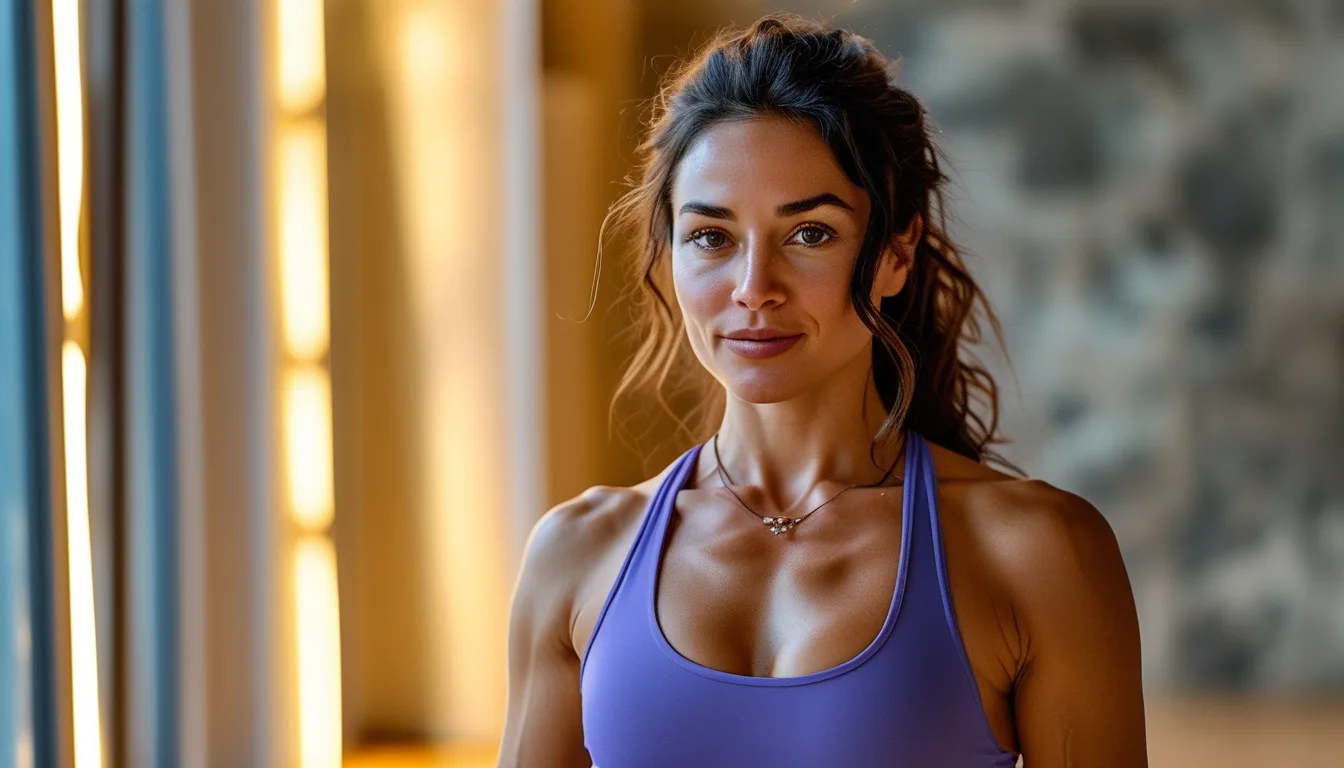
Stop Comparing Your Adult Gymnastics Progress to the Kids Class Next Door
Quick Answer: Kids in the class next door have more joint flexibility, lower body weight relative to strength, and often more available practice hours — none of which reflect your actual progress rate as an adult. Adult gymnastics progress is measured in months, not weeks, and that’s normal, not a sign you’re behind.
You watch an eight-year-old land a skill you’ve been drilling for a month and it’s easy to spiral into feeling like you’re just bad at this.
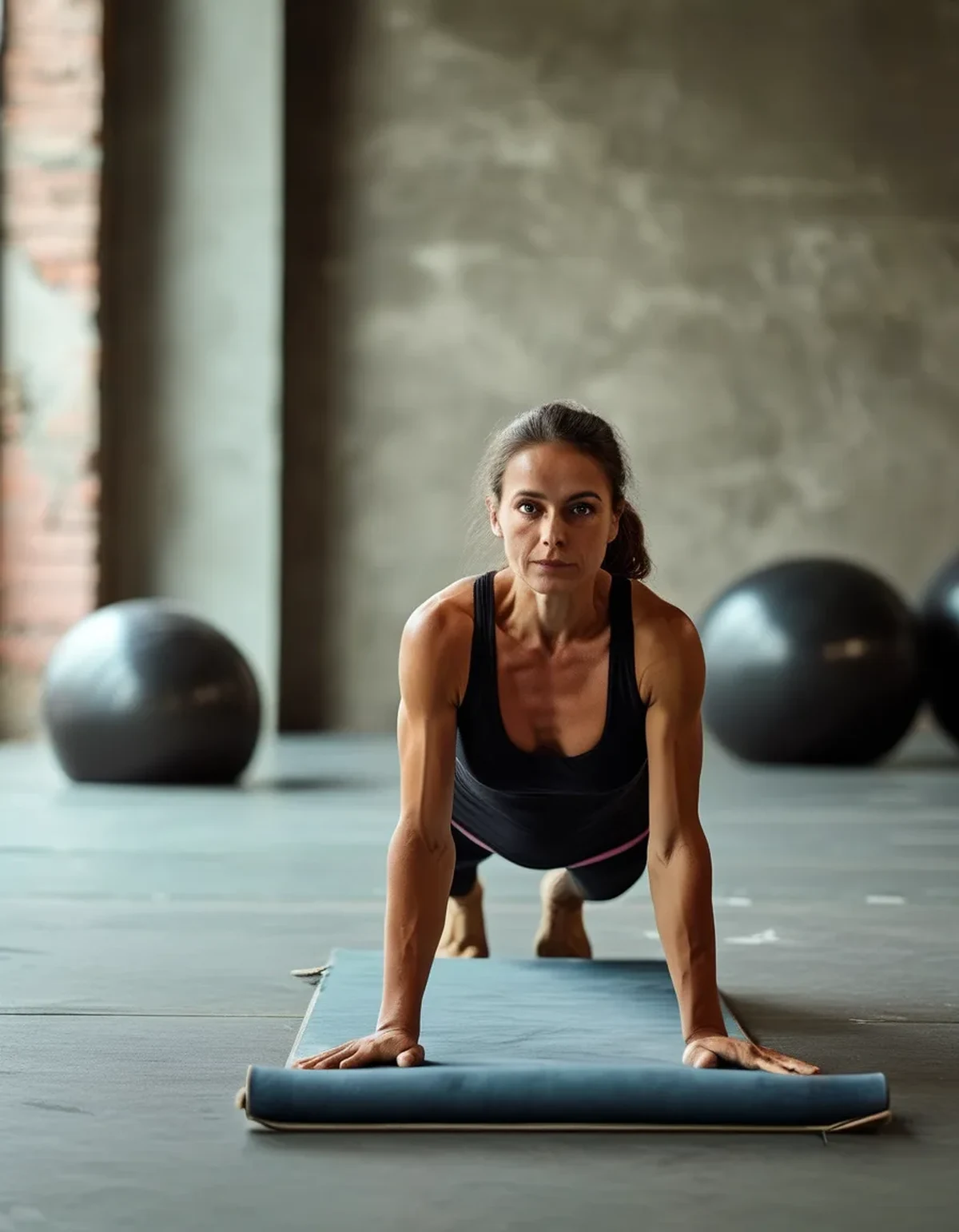
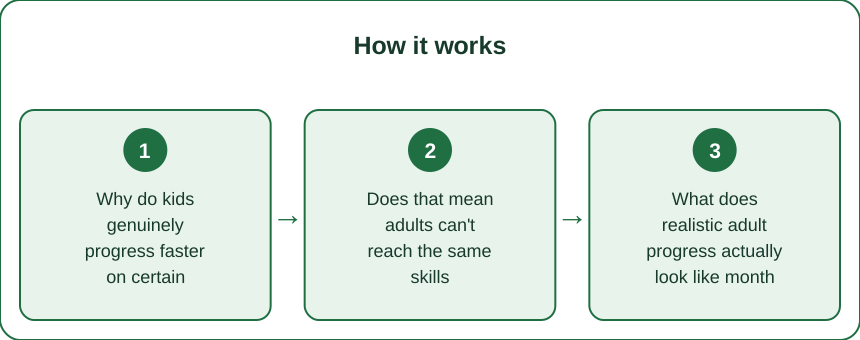
Why do kids genuinely progress faster on certain skills?
Children have naturally higher joint flexibility and a more favorable strength-to-body-weight ratio for many gymnastics skills, particularly ones involving flexibility or bodyweight rotation. This is biology, not effort or talent — it’s the same reason elite gymnastics has historically skewed toward younger athletes for certain events.
Does that mean adults can’t reach the same skills eventually?
Adults absolutely can learn most recreational gymnastics skills — cartwheels, handstands, basic tumbling, even some inversions — it simply takes a longer, more deliberate strength and flexibility-building process to get the body ready for them safely. The ceiling is different from the timeline, and the timeline being longer doesn’t mean the ceiling is lower.
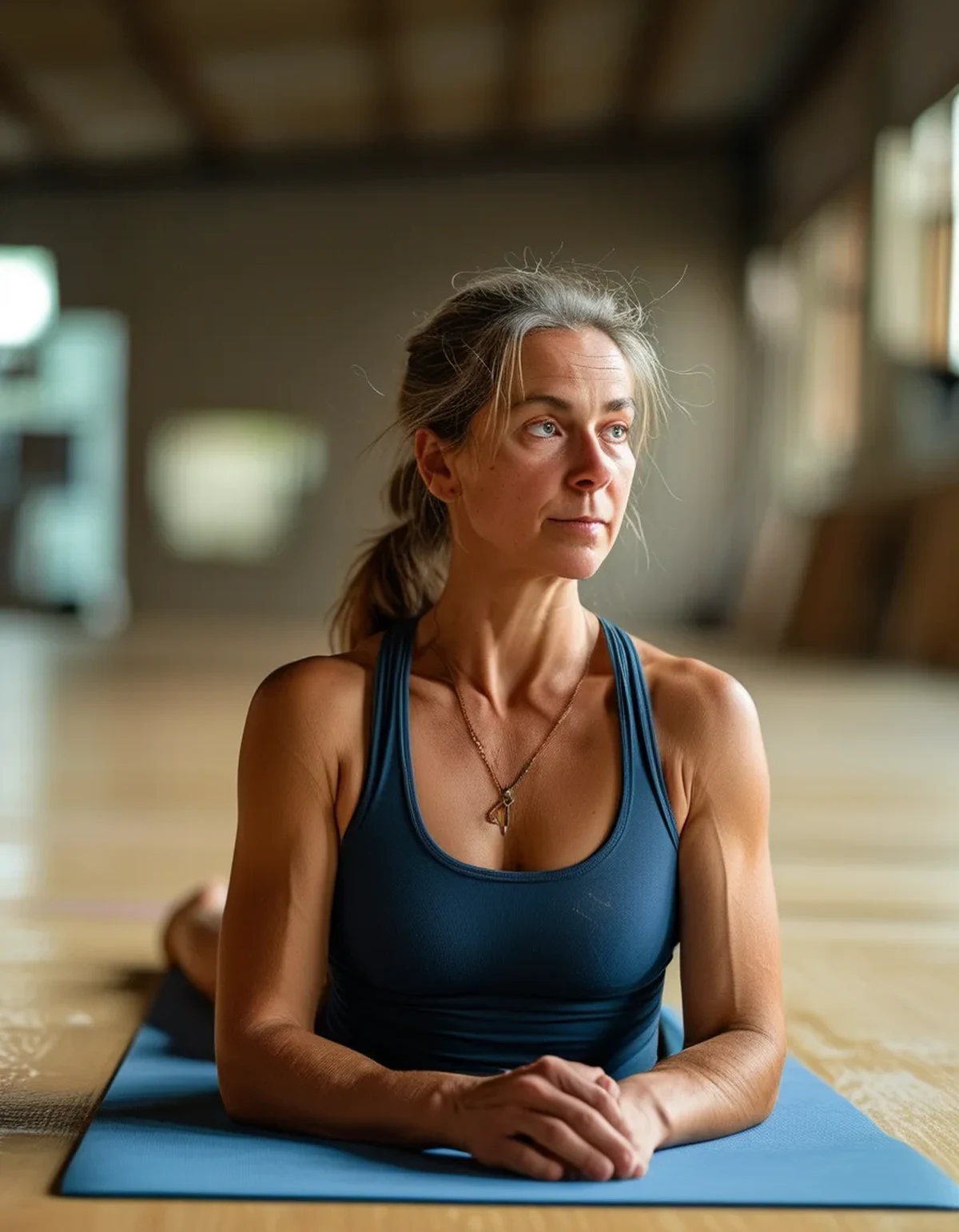
What does realistic adult progress actually look like month to month?
Expect measurable flexibility and confidence gains within 4-6 weeks of consistent practice, with new skill acquisition often taking 2-4 months per significant new movement, depending on your starting point and how much conditioning work happens alongside class time. Comparing week-to-week progress against a child’s timeline sets an expectation that doesn’t match adult physiology.
How should I actually track my own progress instead?
Track specific, personal benchmarks — how long you can hold a handstand against a wall, how deep a bridge you can achieve, how confident you feel going upside down — rather than comparing skill acquisition speed to anyone else in the gym, adult or child. Progress photos or notes every few weeks show change that’s invisible session-to-session.
FAQ: Adult Gymnastics Progress Questions, Answered
Is it normal to feel discouraged watching kids classes?
Very normal, and most adult gymnastics coaches have heard this exact concern many times — it’s worth mentioning to your coach, who can reframe realistic adult timelines for your specific goals.
Should adults train the same frequency as kids to progress comparably?
More frequency helps, but adults typically can’t match a competitive kids’ schedule due to work and life constraints, and consistent 2x-per-week adult practice still produces solid progress over months.
Does age within adulthood change the timeline significantly?
Generally, flexibility and joint recovery become somewhat slower with age, but consistent adults in their 40s, 50s, and beyond regularly learn new gymnastics skills — the timeline lengthens gradually rather than hitting a hard wall.
TL;DR:
- Kids’ faster progress reflects biology (flexibility, strength ratio), not adult effort or ability
- Most recreational skills remain achievable for adults, just on a longer timeline
- Expect meaningful progress in months, not weeks, for new skills
- Track your own specific benchmarks instead of comparing to anyone else’s pace
Measuring yourself against a different body and a different timeline is the fastest way to feel behind in a sport where you’re not actually behind at all.
Keep Reading
This article is for general informational and styling purposes only. Fit, sizing, and product availability may vary.